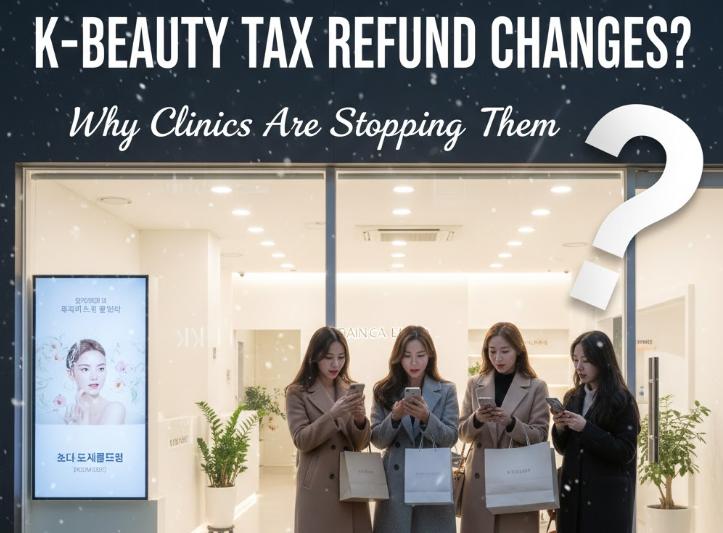
For years, one of the biggest attractions of getting aesthetic treatments in South Korea was the tax refund for foreign visitors. Procedures like laser treatments, skin lifting, injectables, and even minor surgeries were not only advanced and affordable—but also came with an added bonus: VAT refunds at the airport.
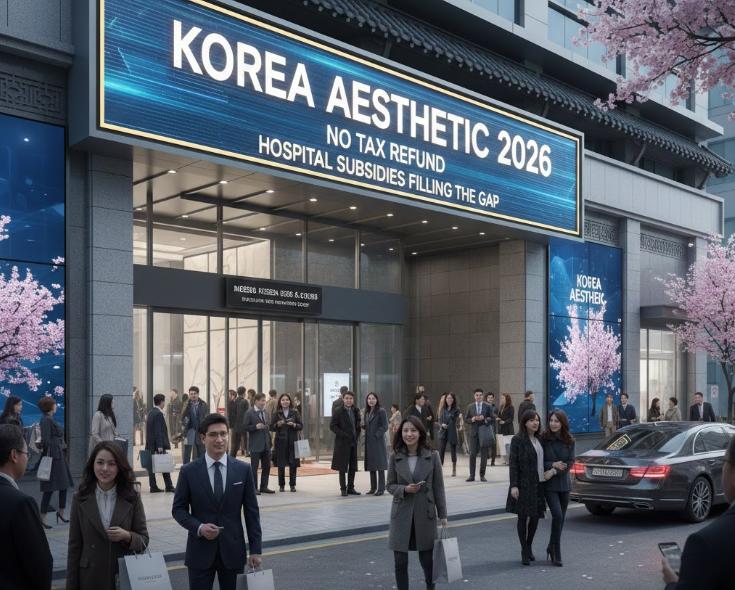
However, starting in 2026, Korea’s medical tax refund policy for cosmetic and aesthetic procedures has officially ended. While this change initially caused concern among international patients, the reality is more nuanced. Many clinics and hospitals are now offering direct subsidies and internal benefits, making Korean medical aesthetics just as competitive as before—sometimes even more so.
What Changed in 2026?
Under the new regulations:
- Foreign patients can no longer claim VAT refunds for cosmetic and aesthetic medical procedures.
- This applies to most non-essential medical beauty services, including skin clinics and aesthetic dermatology.
- Prices are now displayed as final prices, without post-treatment tax returns.
At first glance, this sounds like a clear disadvantage. But in practice, the market has adapted quickly.
Why Korea Is Still a Global Aesthetic Hub
Even without tax refunds, South Korea remains one of the world’s most popular destinations for aesthetic medicine. The reasons haven’t changed:
- Advanced medical technology and early access to the latest devices
- Highly specialized doctors, many focusing on one specific treatment area
- Transparent pricing compared to many other countries
- High treatment volume, which keeps costs competitive
- A culture that prioritizes natural-looking, skin-focused results
The loss of tax refunds hasn’t erased these advantages—and clinics know it.
Hospital Subsidies: The New “Hidden Benefit”
To remain attractive to international patients, many Korean hospitals and skin clinics have introduced hospital-funded subsidies. These are not government refunds, but direct benefits provided by the clinics themselves.
Common subsidy formats include:
1. Direct Discounts
Some clinics now offer 5–10% immediate discounts on selected treatments for foreign patients, applied directly at checkout.
2. Treatment Credits
Others provide treatment credits based on spending tiers. For example:
- Spend a certain amount and receive credits that can be used for lasers or skincare procedures.
- Credits are often valid during the same visit or a future appointment.
3. Device & Laser Promotions
Popular laser treatments may come with:
- Free additional shots
- Complimentary add-on treatments
- Bundled packages at a reduced price
4. Partner Platform Benefits
Certain clinics collaborate with medical booking platforms to offer:
- Exclusive prices
- Extra benefits not available to walk-in patients
- Bilingual assistance and transparent price lists
These subsidies often match or exceed the value of the former tax refunds, without the hassle of paperwork or airport procedures.
A Shift Toward Transparent, Upfront Pricing
One unexpected upside of the new system is greater pricing clarity.
In the past, patients had to:
- Pay full price
- Collect documents
- Queue for refunds at the airport
- Worry about eligibility and refund caps
Now, with subsidies applied on-site, patients know exactly how much they’re paying—no waiting, no uncertainty.
This shift has also encouraged clinics to compete more openly on:
- Service quality
- Doctor expertise
- Real results, not just price
What International Patients Should Do in 2026
If you’re planning aesthetic treatments in Korea, here’s how to navigate the new landscape smartly:
- Check clinic-specific promotions
Subsidies vary by hospital and by month. - Ask about foreign-patient benefits
Many clinics don’t advertise them publicly. - Compare total value, not just sticker price
Credits, free treatments, and bundled services matter. - Use reliable booking platforms
Platforms that show real prices and current promotions can help you avoid surprises.
Final Thoughts
Yes, Korea’s aesthetic tax refund policy ended in 2026—but that’s not the end of affordable, high-quality treatments. Instead, the industry has evolved.
With hospital-funded subsidies, clearer pricing, and continued medical excellence, South Korea remains one of the smartest destinations for aesthetic care worldwide.
For patients who know where to look, the value is still very much there—just delivered in a different way.